 Español
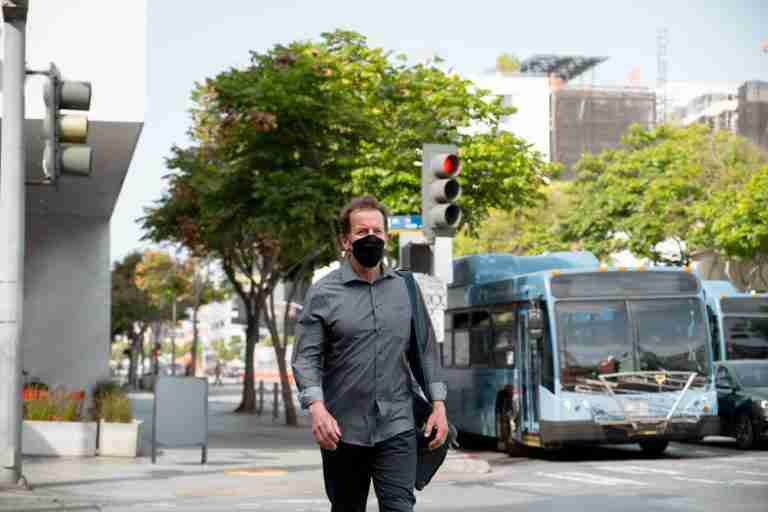
You step into a Bronx crosswalk as a car approaches quickly, then slows after passing a nearby speed camera. Moments like this raise an important question: Does automated enforcement actually change driver behavior and make streets safer? Citywide evidence suggests Bronx speed camera pedestrian safety may improve near cameras, but the available data does not prove that across the borough.
NYC DOT reports fewer speed-camera violations and better safety outcomes at locations with cameras. However, street design, traffic signals, traffic volume, and other Vision Zero projects can also influence crash patterns. A Bronx pedestrian accident lawyer can review the circumstances of a Bronx pedestrian crash and explain how location-specific evidence may affect liability and compensation.
Table of Contents
- Can Bronx Crash Data Show Whether Speed Cameras Help?
- Which Bronx Streets Offer the Best Local Test?
- Why Can Camera Studies Produce Misleading Results?
- When Should You Call a Bronx Pedestrian Accident Lawyer?
- Frequently Asked Questions
Can Bronx Crash Data Show Whether Speed Cameras Help?
Bronx crash data can help, but the most useful results come from looking at specific streets and camera locations.
Which Comparison Method Would Give the Clearest Answer?
A closer look at Bronx speed camera pedestrian safety would compare NYC speed cameras with nearby Bronx pedestrian accidents over the same periods. Crash numbers before and after a camera was installed can show whether conditions changed. Similar streets without cameras can provide another point of comparison.
Vision Zero View also maps crashes, injuries, deaths, and safety projects by location. That makes it possible to study NYC pedestrian crash statistics street by street instead of relying on one Bronx-wide total. Boroughwide numbers can hide local changes because they combine streets with cameras, streets without cameras, and roads that received other safety work.
Does Existing Evidence Show Drivers Slow Down?
Yes, at least citywide. NYC DOT says average daily violations at speed-camera locations have dropped 94% since the program began. Locations where cameras were added in 2022 later recorded 14% fewer injuries and deaths than locations without cameras. Injuries also fell by nearly 8% during overnight and weekend hours after cameras began running around the clock.
The violation numbers also suggest many drivers change their behavior. NYC DOT reports that 74% of vehicles receiving camera violations get no more than one or two in a year. That supports the idea that enforcement can reduce repeat speeding. It still does not tell us exactly how much cameras alone have changed Bronx traffic safety.
Which Bronx Streets Offer the Best Local Test?
The strongest Bronx comparison would focus on streets where serious pedestrian injuries and deaths have already been a concern.
Where Are Pedestrian Risks Most Concentrated?
NYC DOT uses Vision Zero Priority Corridors to identify streets with high numbers of pedestrians killed or seriously injured. These corridors give a local study a better starting point than treating every Bronx street the same. Vision Zero maps also show where safety projects and other changes have taken place.
Jerome Avenue is one example of a corridor that has received close safety attention. NYC DOT continues to plan pedestrian and traffic changes there, including shorter crossings, turn controls, signal changes, and other measures. For pedestrian safety Bronx research, streets with a history of serious crashes can show more than a boroughwide average.
Are Bronx Traffic Deaths and Injuries Declining?
Some recent Bronx numbers have moved in the right direction. During the first half of 2025, total traffic deaths in the borough fell from 23 to 13 compared with the same period in 2024. That was a 43% decline.
There has also been longer-term progress on Vision Zero Priority Corridors. NYC DOT reported a 40% drop in pedestrian deaths on Bronx Priority Corridors compared with an earlier study period. Cameras are part of that wider effort, but they are not the only change. Street redesigns, traffic signals, enforcement, and other projects can also affect Bronx speeding accidents and pedestrian safety.
Why Can Camera Studies Produce Misleading Results?
A simple before-and-after crash count may show improvement without showing what caused it.
Could Street Redesigns Explain Part of the Improvement?
Yes. A street may get a speed camera around the same time it receives new crossings, pedestrian islands, signal changes, bike lanes, or other safety work. If crashes fall afterward, it can be hard to separate the camera’s effect from the redesign’s effect.
Sheridan Boulevard is a good Bronx example. NYC DOT completed safety changes there, including new pedestrian islands, bike connections, road access improvements, and other corridor-wide changes. A drop in crashes after work like that cannot automatically be credited to one safety measure.
What Do Falling Camera Violations Actually Mean?
Fewer tickets can signal that drivers are slowing down. The Comptroller’s office found that average daily notices at fixed camera sites fell from 123 in 2014 to fewer than 10 in 2022. That fits with NYC DOT’s finding that most vehicles receive only one or two violations a year.
Ticket totals are not perfect, though. A 2024 city audit found that 1,076,182 captured incidents went unprocessed during the first half of 2023 because plates were missing, temporary, or obscured. Those cases show why ticket counts don’t capture every speeding event a camera picks up.
When Should You Call a Bronx Pedestrian Accident Lawyer?
Citywide trends provide background, but an individual pedestrian case depends on what happened at that location.
Which Records and Images Should Be Saved?
Photos of the intersection, vehicle, roadway, and injuries can preserve details that may change later. Traffic video, surveillance footage, witness information, police records, insurance information, and medical records may also help explain what happened.
Nearby signals or cameras may matter if they recorded the crash or traffic conditions. A pedestrian accident lawyer in the Bronx may help when injuries are serious, fault is disputed, or you need to save video before it is erased. A nearby speed camera alone does not prove that the driver was speeding.
How Does the Crash Location Affect the Investigation?
The location can explain a great deal about a pedestrian crash. Crosswalk placement, traffic signals, visibility, turning movements, vehicle speed, and intersection design can all affect how the collision happened.
The address can also show whether the crash occurred on a Vision Zero Priority Corridor or near a camera or street-safety project. Those local details usually say more about one crash than a boroughwide safety percentage.
Frequently Asked Questions
Are NYC Speed Cameras Running 24/7?
Yes. New York City speed cameras currently operate 24 hours a day, seven days a week.
Has Automated Enforcement Changed Driver Behavior?
Yes. NYC DOT reports a 94% drop in average daily violations at camera locations.
Can We Link Bronx Pedestrian Safety Gains to Cameras?
Not by cameras alone. Bronx safety gains also happened alongside street redesigns, signal changes, enforcement, and other Vision Zero work.
What Other Safety Measures Are Used Alongside Cameras?
Vision Zero also uses street redesigns, safer crossings, signal changes, traffic calming, enforcement, and education.
Which Sources Track Bronx Pedestrian Crashes?
Vision Zero View maps crashes, injuries, deaths, and safety projects across New York City.