 Español

You are walking down the Grand Concourse, hit a cracked piece of sidewalk, and suddenly you are on the ground. It happens in a split second. But dealing with a busted knee or a bad back? That drags on for months. The Bronx does not exactly stand still for anyone. Between aging apartment buildings, massive crowds, and winter weather that ruins the pavement, walking around here sometimes feels like an obstacle course.
Most folks do not think about taking pictures or getting a lawyer until it is too late. But if you talk to a slip and fall lawyer Bronx locals actually trust, they will tell you the exact same thing. Figuring out why you fell is the only way to build a real case. Let’s look at the most common hazards and what you need to do if a landlord’s laziness leaves you injured.
Where Do Most Bronx Trips and Falls Occur?
The Danger of Neglected Pavements and Streets
Concrete doesn’t last forever, especially with New York winters. We have all seen sidewalks completely torn up with potholes or slabs of pavement sticking up a couple of inches. It takes forever for the city or property owners to actually come out and pour new cement. So, you end up just dealing with it on your daily commute. Throw active construction sites into the mix, and it gets worse. You are dodging temporary wooden ramps, random piles of debris, and barriers that barely reflect light at night. It is incredibly easy to trip when the ground is that unpredictable.
How Rain, Snow, and Spills Create Hidden Traps
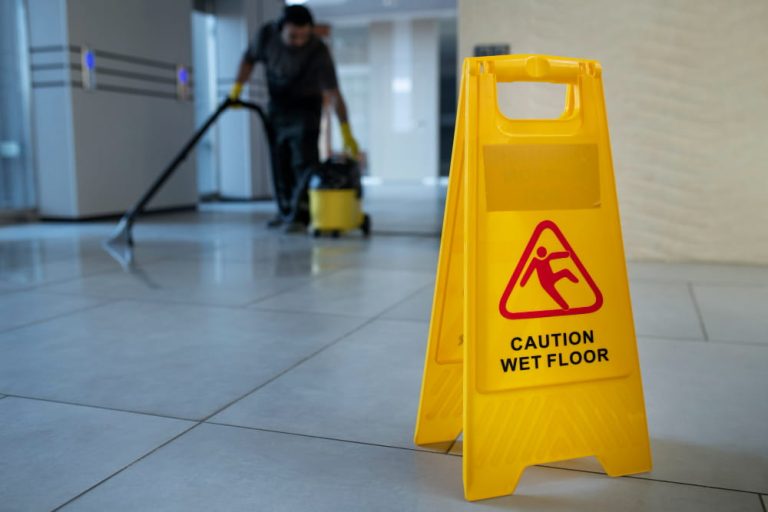
Winter is a nightmare for pedestrians. Landlords are slow to shovel their snow or spread salt, turning the fronts of their buildings into ice rinks. But the danger is not over when you get inside. Imagine a rainy day, and a busy Fordham grocery store. Customers track water in, someone spills a drink, or the staff just mopped and forgot to put out a wet floor sign. Because they are crowded, the mess is spread everywhere. If they don’t get it cleaned up soon, someone is likely to get wiped out.
How Poor Building Maintenance Leads to Injuries
Dim Stairwells and Crumbling Steps
A huge chunk of the housing here is decades old. Keeping those buildings safe takes work, and, frankly, many landlords cut corners. Ever tried walking down an apartment stairwell where half the lights are burned out? You literally cannot see where your foot is landing. Pair that dark staircase with a broken handrail or a stair tread that is chipped away, and you have a disaster waiting to happen. Property managers are legally required to keep shared spaces lit and in good repair. When they ignore maintenance requests, people fall hard.
Tripping Over Loose Carpets and Unseen Clutter
Sometimes it is the little things that get you. It isn’t always a collapsed roof. Often, it is a bunched-up rug right inside the lobby door. Or an extension cord stretched across a busy hallway. Space is tight in local bodegas and older apartment complexes. A random delivery box left in the middle of an aisle leaves you nowhere to walk. Add dim lighting into the equation, and you probably won’t even notice the tripping hazard until you are already on the floor.
Steps to Take When Negligence Causes Your Fall
When Are Landlords and Store Owners Liable?
The law in New York is pretty clear on this. Whoever owns the property has to keep it safe. If there is an obvious hazard, they need to fix it promptly. If your super leaves the front steps covered in ice three days after a blizzard, they are being negligent. But you cannot just say you fell. To get any kind of compensation, you have to prove the owner either knew about the mess or totally ignored their basic maintenance duties.
Securing Evidence: A Practical Bronx Example
Let’s get real here for a second. If you trip in a puddle in a dark hallway and break your arm, your landlord will likely replace the light bulb and mop the floor five minutes after you leave for the hospital. By the time you get back, they’ve got rid of the evidence. You can’t wait. You whip your phone out and snap pictures of the dark stairs and puddle. Email or text your building manager to put in writing that you reported the fall. Then head straight to urgent care. That paper trail is the only thing that will prevent you from being stuck with huge medical bills.
Conclusion
Most bad falls aren’t just clumsy mistakes. Usually, somebody dropped the ball on maintaining their property. A busted street or a dark, junk-filled hallway isn’t just an inconvenience. It is a sign that building safety is not being taken seriously enough.
When you end up injured because a property owner was cheap or lazy, you have to protect yourself. Get the proof right there on the spot. Report it. Talk to someone who knows the laws here. Taking action fast is the only reliable way to hold the right people responsible so you can pay your bills and move on with your life.